

A bathroom remodeling contractor can tell you that the most expensive renovation is the one that starts without a plan. Most Melbourne homeowners assume a bathroom renovation means ripping everything out and starting from zero, but that is rarely necessary and almost never the cheapest path.
The real pain starts when material costs spike mid-project, surprise change orders pile up, and nobody checks whether Brevard County requires a permit for the scope of work. Suddenly a modest refresh doubles in price.
The solution is simpler than you think: keep what works, upgrade what shows, and focus your money on high-impact changes like new lighting, surfaces, and fixtures. This guide walks you through exactly how to do that in Melbourne, Florida, with local code and cost realities in mind.
Key Takeaways
- Smart planning and keeping the existing layout are the biggest money-savers in any bathroom remodel.
- Reusing elements like the existing vanity and tub while updating surfaces and fixtures can create a convincing budget bathroom makeover.
- Melbourne and Brevard County require a building permit and licensed trades for plumbing, electrical, and ventilation changes.
- Some tasks are safe to DIY, but code-compliant work tied to permits should be handled by a qualified bathroom contractor.
- A phased approach to remodeling can help manage budget constraints effectively without sacrificing quality.
Plan First: How to Set a Realistic Budget for a Bathroom Remodel
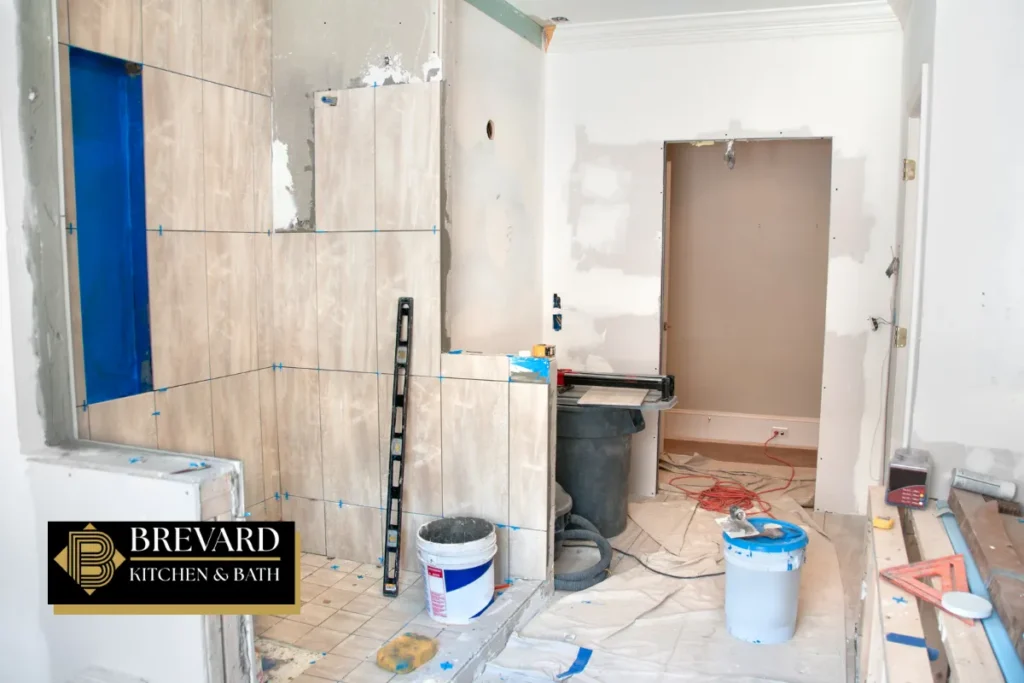
Before you price a single tile, create a general outline of your bathroom remodel and your priorities. Average bathroom remodeling costs vary widely across the U.S., so local numbers matter more. In Melbourne, cosmetic refreshes typically run $6,000 to $14,000, while mid-range overhauls land between $16,000 and $32,000. A full remodel can take four to eight weeks depending on scope.
To stay on budget:
- Separate must-haves (leak repairs, ventilation, waterproofing) from nice-to-haves (accent walls, wallpaper, premium tile).
- Use inspiration boards but price those ideas at local home centers to reality-check costs. Hiring an interior designer for a planning session may cost $300 to $500 but can prevent expensive mistakes.
- Build a 10–15% contingency because bathroom remodeling budgets can be quickly consumed by moisture mitigation hiding under old flooring or behind walls.
- Using standard-sized fixtures can avoid additional costs and delays from custom orders.
- Order materials before work begins to prevent timeline gaps.
- Consider a phased approach: tackle safety and function first, then layer in cosmetic upgrades as money allows.
Talking with a bathroom remodeler early helps align scope, timeline, and budget before a single order is placed.
Know the Rules: Melbourne and Brevard County Bathroom Permit Basics
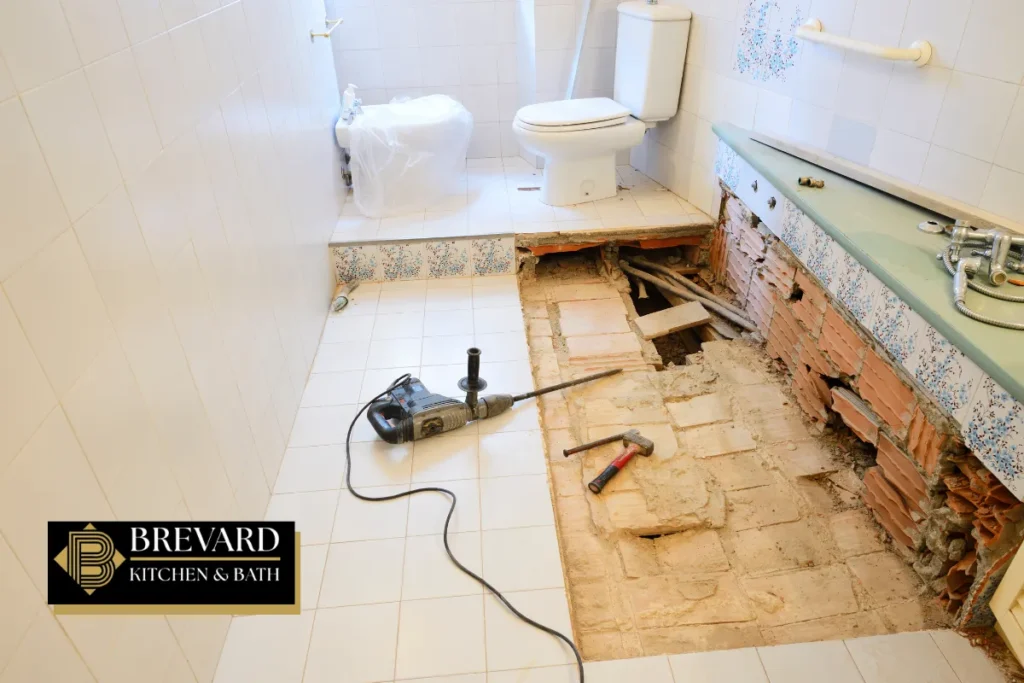
Local building departments often have strict regulations regarding plumbing and electrical work. Here is what applies in this area:
- Cosmetic work like painting, swapping a shower head, or installing new cabinet hardware generally does not require a building permit.
- Any project that installs, alters, or relocates plumbing lines, adds new circuits, or changes ventilation typically does require permits and licensed trades under Florida code. Permit fees in Brevard County often run $400 to $700.
- Florida Building Code requires GFCI protection for all receptacle outlets near water sources and bathroom exhaust fans that vent directly to the exterior, not into the attic.
- Effective ventilation is crucial in bathroom remodeling to combat humidity and prevent mold. Contractors in Melbourne frequently spec fans at 80–110 CFM with humidity sensors because code-minimum ratings underperform in coastal zones.
- A general contractor or bathroom contractor can help determine when permits apply, especially for a walk in shower conversion or any layout change.
Pulling required permits protects insurance coverage, appraisal values, and resale. Verify current requirements with the Melbourne or Brevard County building department before demolition.
Save by Keeping the Layout and Reusing What You Can
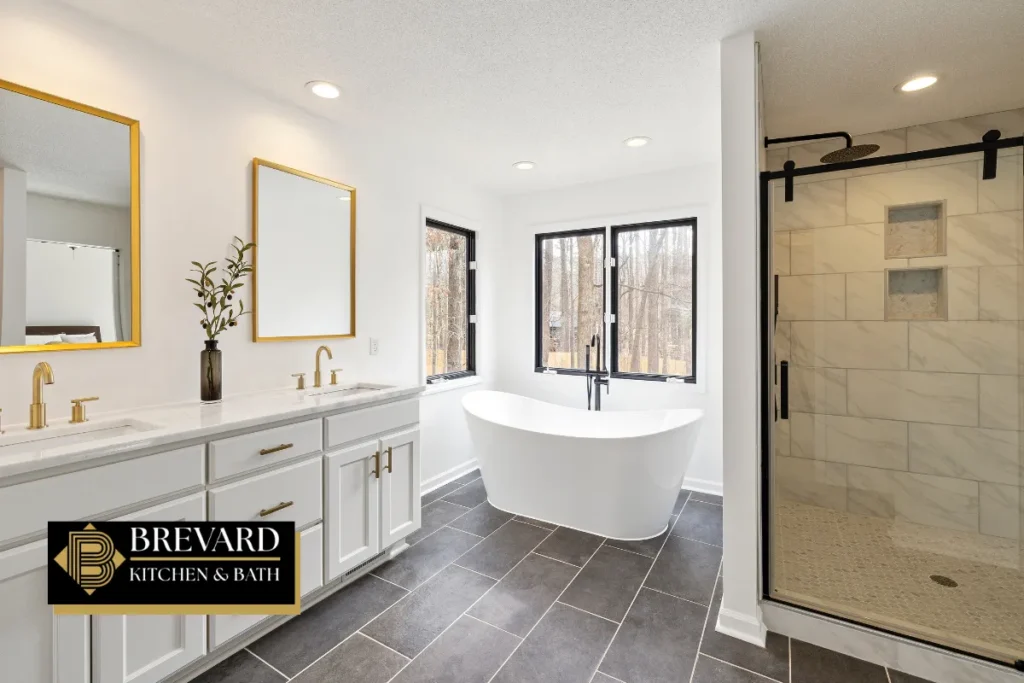
Keeping the existing layout is the single largest cost-control move in any bathroom remodeling project. Existing plumbing layouts should be maintained to minimize remodeling costs because moving a toilet or shower drain on a slab can add $800 to $4,500 or more in labor and materials alone.
- Maintain the current positions of your toilet, tub, shower, and vanity to avoid cutting into concrete or rerouting supply lines.
- Refinishing existing fixtures instead of replacing them can save significant costs. If your tub is structurally sound with no cracks or leaks, a professional refinish extends its life at a fraction of the replacement price.
- Update an existing vanity with new paint, replacement doors or drawer fronts, and modern hardware for a fresh look without buying an entirely new cabinet.
- Clean and regrout sound tile surfaces. High-penetration sealers or premium epoxy grouts are recommended for moisture-prone areas and can extend the life of the existing installation.
- Reuse solid subfloors and drywall wherever possible, patching selectively instead of replacing entire surfaces.
Prioritize High-Impact, Low-Cost Updates
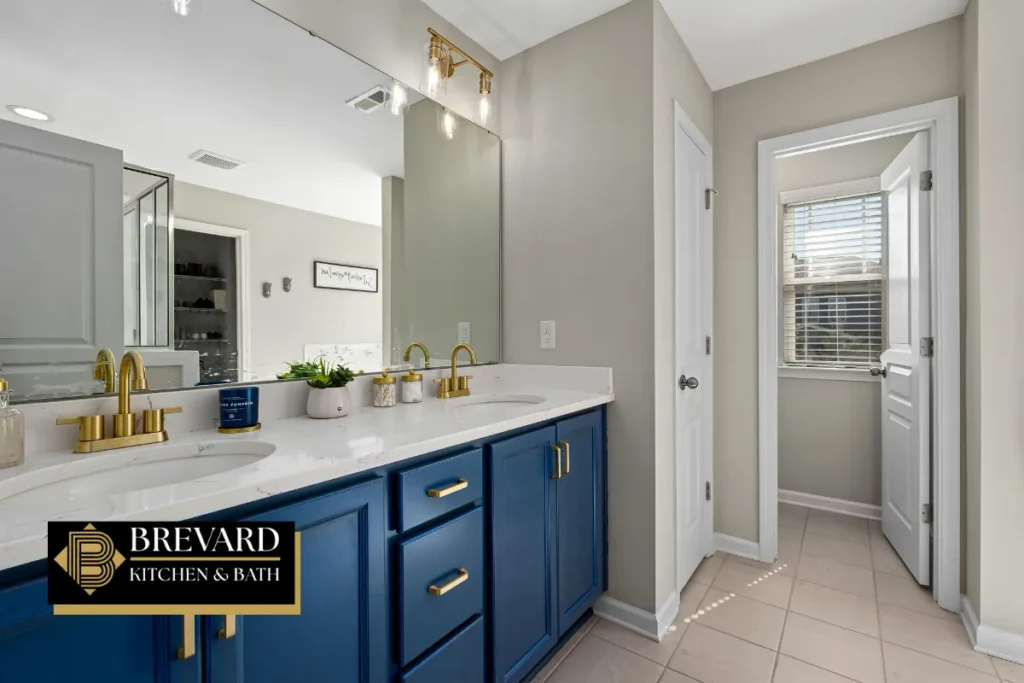
Some changes deliver a huge difference in how your bathroom looks and feels without requiring heavy construction. Focus here first:
- A fresh coat of paint in a light, moisture-resistant color can instantly modernize a small room. Choose a paint color that reflects light to make a compact Melbourne bathroom feel more open.
- New light fixtures can refresh a bathroom on a budget. Swap dated vanity bars for energy-efficient LED options that provide brighter, warmer illumination. New lighting alone transforms the mood of the space.
- A DIY mirror frame can enhance a plain builder grade bathroom mirror for under $30, elevating the vanity area without replacing the glass.
- Updating a bathroom vanity with paint costs around $20 in materials if the cabinet box is in good shape. Pair that with new hardware for a convincing transformation.
- Luxury vinyl tile can be installed over existing tile when the subfloor is level, saving demolition time and cost. Use of luxury vinyl plank or porcelain tiles is recommended in humid environments to minimize maintenance.
- Painting ceramic tile floors is a cost-effective update that can dramatically change the look of a dated bathroom when a full replacement is not in the budget.
- Swap towel bars, hooks, a toilet paper holder, and cabinet pulls in a coordinated finish to pull the room together without major expense.
- Bathroom tile installation averages $25 per square foot, and marble tiles can cost 20 times more than standard subway tiles, so material selection matters enormously when sticking to a budget.
Smart Choices for Showers, Tubs, and Walk-In Conversions
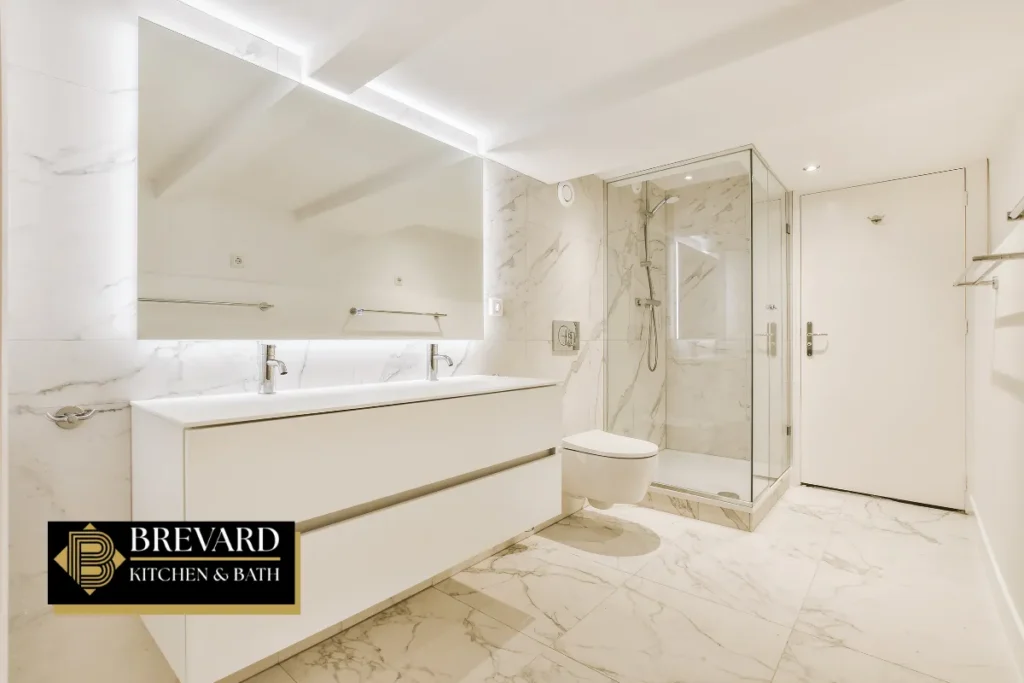
The wet area is often the most expensive part of a bathroom remodel. Nationally, shower tiling costs average $3,875, and custom showers with full tile and frameless glass push that number much higher.
- Acrylic or fiberglass shower pans and wall systems offer a lower-cost alternative to fully tiled showers, especially in a secondary bathroom. These prefab systems install faster and require less waterproofing labor.
- Proper waterproofing is essential to prevent moisture damage in coastal areas like Melbourne. Even with more economical materials, slope, drainage, and membrane work should be handled by a qualified contractor.
- Adding grab bars or a low-threshold entry supports aging-in-place goals without a complete structural overhaul.
- Keeping the drain in its current location controls plumbing costs for a walk in shower conversion.
- Consider future resale before removing a tub. In family-oriented Melbourne neighborhoods, at least one tub in the home appeals to a wider range of buyers.
Cabinets, Countertops, and the Existing Vanity: Where to Splurge or Save
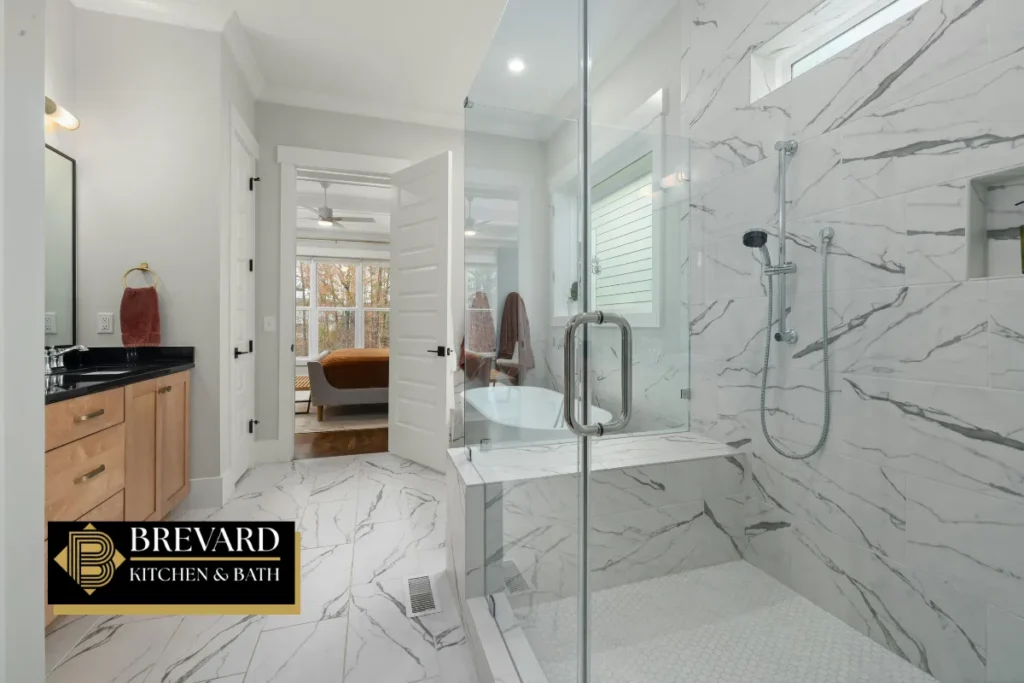
Storage and surfaces affect daily use more than almost anything else in the room, so choices here deserve careful thought.
- If the existing vanity is structurally solid, keep the cabinet box and replace only the doors, add simple trim to flat fronts for a shaker-style look, and finish with a durable paint. New counters in prefabricated laminate or standard-size quartz are far less expensive than custom stone slabs.
- Choose undermount or drop-in sinks that fit standard cutouts to avoid costly countertop modification.
- Moisture-resistant cabinet materials and proper ventilation extend the life of both new and existing cabinetry in a humid Florida bathroom. Stain-resistant finishes on countertops also help.
- If you use the primary bathroom heavily every day, investing slightly more in durable, easy-clean countertops and quality shower fixtures pays off over the life of the installation.
DIY vs. Hiring a Bathroom Remodeler: What to Tackle Yourself
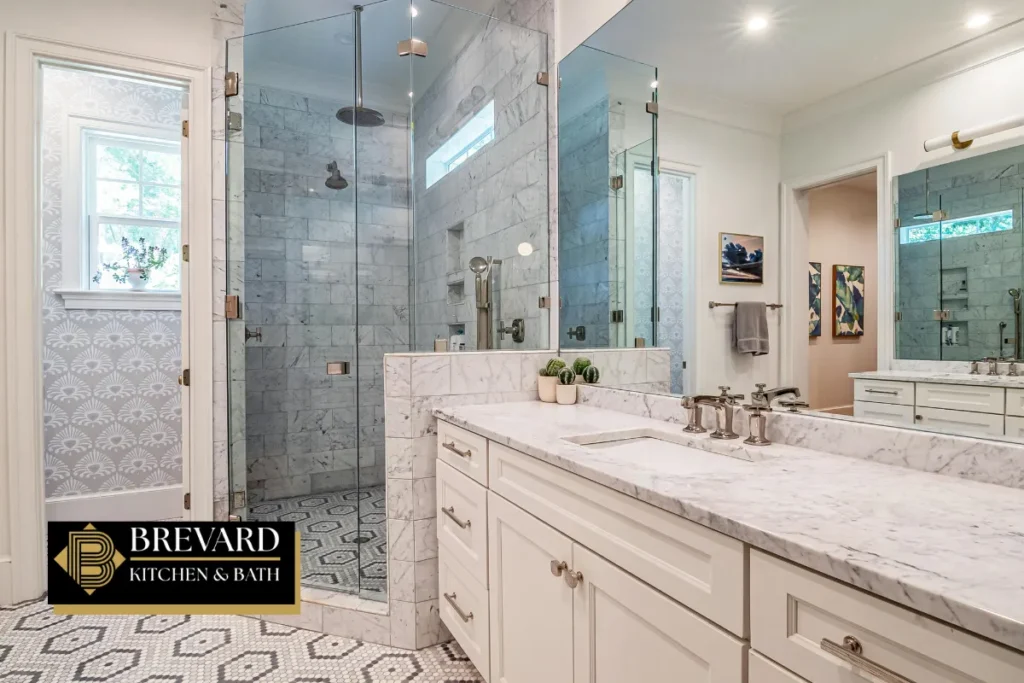
Not every task requires a professional, but some absolutely do. Here is how to sort them:
Good DIY candidates:
- Painting walls, ceilings, and even a bathroom vanity
- Installing accessories like mirrors, towel bars, and shelves
- Swapping same-size light fixtures on existing electrical wiring
- Some flooring installation with manufacturer guidance
- DIY floating shelves can add storage in small bathrooms without hiring a carpenter
Hire a licensed bathroom remodeling contractor for:
- Plumbing relocations and new supply or drain lines
- New electrical circuits or panel work
- Major tile work in wet areas requiring waterproofing
- Structural changes such as removing walls or relocating doors
In Melbourne and wider Brevard County, code-compliant electrical and plumbing work must be performed or signed off by licensed trades when tied to a permit. Hire a general contractor for large bathroom remodels because general contractors coordinate teams of specialty contractors, keeping the project on schedule and compliant.
Before hiring, research contractors and get several competitive bids. Ask contractors for examples of past work similar to yours, and always get written contracts outlining scope, materials, and payment schedules. Be honest about your skills: a poor DIY job on tile or plumbing can cost more to fix than hiring a professional from the start.
Finishing Touches: Styling a Budget Bathroom Makeover
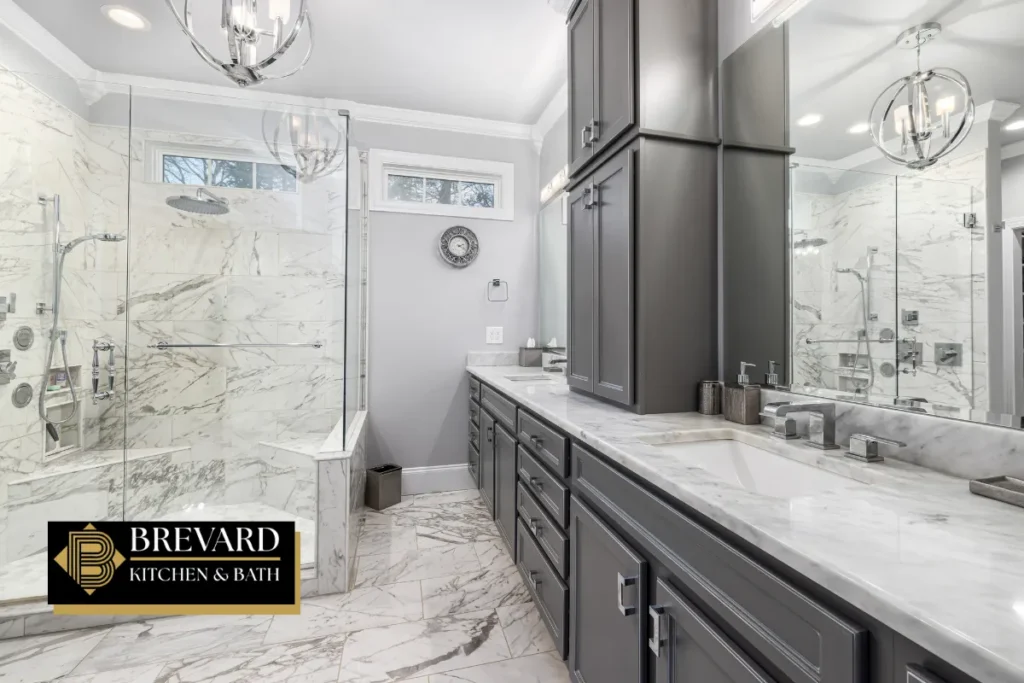
A finished bathroom feels intentional. These low-cost details complete the look after construction wraps up:
- Coordinate textiles like a shower curtain, bathmat, and towels to tie the new paint color and finishes together.
- Peel-and-stick wallpaper is a budget-friendly decor option for an accent wall, and it can mimic real tile designs without permanent commitment.
- Add simple storage: over-the-toilet shelving or woven baskets to keep counters clear for everyday use.
- Humidity-tolerant plants, framed art, or small decorative accessories add personality without clutter.
- Keep metal finishes consistent across the faucet, shower head, lighting, and accessories so the space reads as a complete, cohesive room.
- Organize the inside of the vanity and medicine cabinet to preserve that clean, updated look and support daily use long after the project is done.
These finishing touches often cost the least yet contribute the most to how homeowners feel about the room. A coordinated style tied to a limited color palette helps any budget bathroom makeover feel polished and purposeful, adding to your home’s curb appeal.
Bathroom Remodeling Contractor in Melbourne, FL – Brevard Kitchen and Bath

At Brevard Kitchen and Bath, we are a licensed bathroom remodeling contractor proudly serving Melbourne, Florida and homeowners throughout Brevard County. Our team handles every stage of a bathroom remodel, from code-compliant planning and permit coordination to wet-area waterproofing, vanity updates, walk-in shower conversions, and new lighting layouts.
We believe every homeowner deserves honest guidance about where to save and where to invest. We explain options clearly, respect your budget, and deliver construction that holds up in our coastal climate. Whether you need a simple refresh or a complete renovation, we are ready to help you create a bathroom you will enjoy for years.
Call us at (844) 965-1213 or fill out our online contact form to schedule a consultation for your next project.
Frequently Asked Questions
How Long Does a Budget Bathroom Remodel Usually Take in Melbourne, Florida?
A smaller bathroom facelift, such as painting, swapping hardware, and updating lighting, may take five to eight working days. A more involved bathroom remodel that includes new tile, plumbing fixture replacements, and inspections typically spans two to four weeks. Bathroom remodels can take four to eight weeks or more if you are changing the layout, waiting on permit reviews, or dealing with special-order materials. Unexpected repairs hidden under old flooring or behind tub surrounds can also extend the schedule. Ask your bathroom remodeler for a written schedule that includes inspection milestones and lead times for any custom items. Planning ahead and making material selections early are the most reliable ways to keep your project on track.
What Is the Cheapest Way to Update an Old Bathroom Vanity Without Replacing It?
Start by cleaning the surface thoroughly, then lightly sand it and apply a bonding primer. Painting a bathroom vanity can refresh its look for around $20 in materials using a durable cabinet-rated finish that tolerates humidity. Replace dated knobs and drawer pulls with modern hardware in a style that matches your other fixtures. If the cabinet box is solid, consider swapping only the countertop or sink instead of the entire unit. You can also add simple trim strips to flat doors and drawer fronts to mimic shaker-style panels. These updates dramatically change the appearance of the bathroom vanity at a fraction of the cost of a full replacement, freeing up your money for other upgrades.
Can I Install a Walk-In Shower in a Small Bathroom Without Overspending?
Yes, but material choices matter. Prefabricated walk-in shower bases paired with matching wall panels are significantly more affordable than full custom tile and frameless glass. Keeping the drain in its current location avoids major plumbing moves, which is one of the biggest cost drivers. Choosing a framed or semi-frameless glass door instead of fully custom heavy glass also saves money without sacrificing function. Even when using economical materials, professional waterproofing and code-compliant installation are essential, especially in a coastal Florida climate. If you cut corners on slope or membrane work, the savings will be wiped out by moisture damage within a few years. Budget wisely, not cheaply.
How Do I Know If My Bathroom Needs New Wiring or Ventilation During a Remodel?
Look for warning signs: missing GFCI outlets near the sink, frequent breaker trips, absence of an exhaust fan, peeling paint caused by trapped moisture, or a persistent mildew smell. Florida code requires GFCI protection near water sources and exhaust fans that vent directly to the outside, not into the attic or crawl space. If your bathroom lacks either, those upgrades will likely be required once a permit is pulled. Have a licensed electrician evaluate older bathrooms during the planning phase. Addressing electrical wiring and ventilation while walls are open is both cheaper and safer than retrofitting after new tile and finishes are already installed. These are not areas where homeowners should attempt DIY.
Is It Better for Resale to Keep a Bathtub or Switch to a Walk-In Shower Only?
In most Melbourne, Florida neighborhoods, buyers, especially families, prefer at least one bathtub in the home for children and pets. Removing the only tub can narrow your buyer pool. A balanced approach works best: keep a tub in at least one full bathroom and consider a walk in shower conversion in a primary bathroom or secondary bath. This layout appeals to a wider range of buyers while giving you the updated look and accessibility benefits of a shower-only design. If you are remodeling primarily for future resale rather than personal preference, talk with a local real estate professional or your bathroom contractor before making that decision. Market expectations in your specific neighborhood should guide the call.
Disclaimer
This article provides general remodeling guidance and does not constitute legal, engineering, or code compliance advice. Homeowners must verify current permits, codes, and requirements with Melbourne and Brevard County authorities before starting any bathroom renovation.
Read What Are the Benefits of LVP in a Bathroom? Insights from a Flooring Installer in Melbourne, FL